
Intelligent Systems
We build the software and AI a particular job actually needs, including systems that run on hardware you control so the material never leaves the building.
What we can take on
- Custom applications
- Workflow automation
- Custom AI tools
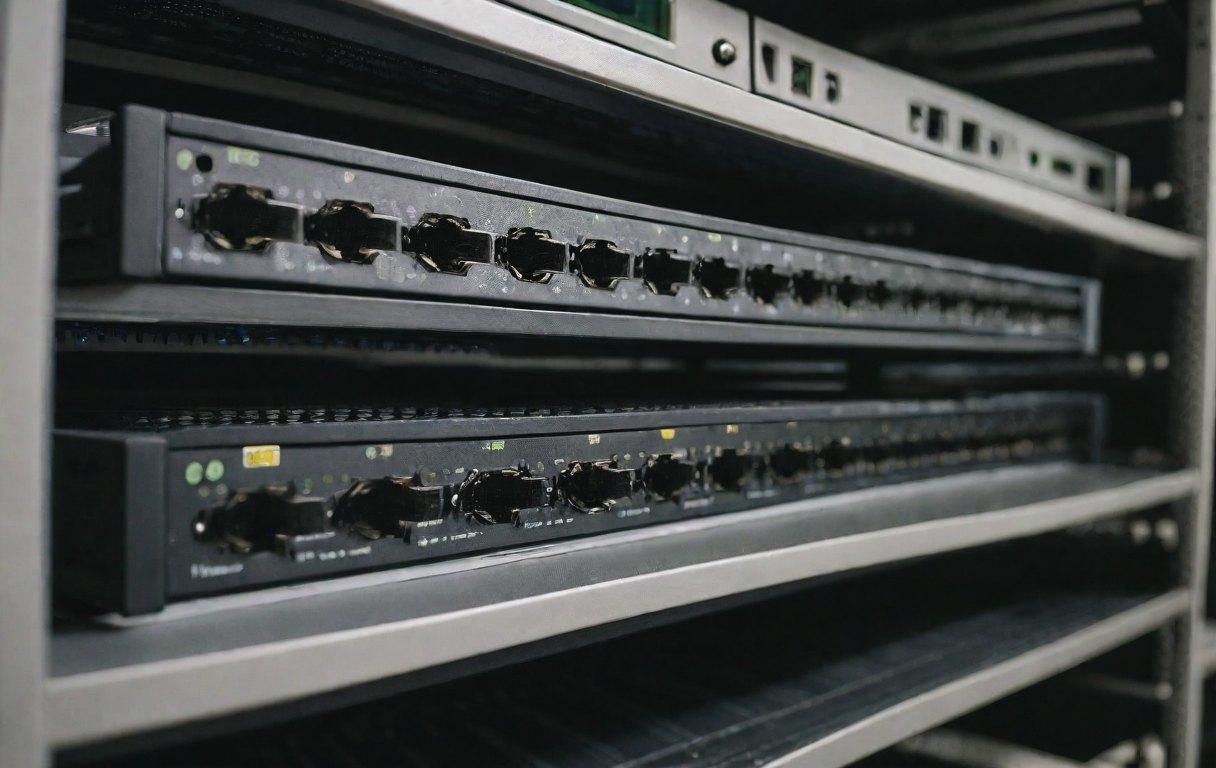
- Local and private AI systems
- Model selection and deployment
- Local inference
- LoRA and QLoRA training, and model adaptation
- Structured generation and schema enforcement
- Knowledge and document systems
- AI-assisted education and training tools
- Integration between existing systems
- Technology assessment and vendor evaluation
Something we built
TLC — Teacher's Lesson Creator — turns the decisions a teacher has already made into a lesson they can run: objectives, a sequence, an assessment, an answer key and the materials list.
It was built for the Gemma 4 Good Hackathon, run by Kaggle and Google DeepMind, which required a working demo, a public repository and a technical write-up.
Two specialized model adapters do the writing and a deterministic merge combines them, so the same inputs produce the same lesson. Output is validated against a schema rather than trusted because it looks right, and claims are checked against external sources before a lesson is finished. The adapters run locally, which is the part that matters for material that cannot leave a building.
That one project demonstrates model adaptation, schema-controlled generation, local inference and the application around them. Read the technical case study for the architecture, the training method and the configuration.
Where technology actually helps
Technology built around the work, rather than work rearranged around a product somebody bought.
What people usually describe on a first call:
- The same information is typed into two systems because neither talks to the other.
- A vendor is proposing something and nobody in the room can tell whether it is the right thing.
- The work is repetitive enough to automate and specific enough that nothing off the shelf fits.
- AI would help, and the material cannot leave the building.
How a build runs
-
Problem audit
Work out what the task is and whether software is the right answer at all.
-
Custom build
Build the smallest thing that solves it, and say what it will not do.
-
Floor integration
Put it where the work happens and hand it over with documentation.
What you get, and what you do not
- Something that runs, with the documentation to keep it running
- A clear statement of what the system does not do
- Data that stays where it is supposed to stay
- No dependency on us to operate it
Questions to ask before you buy anything
Take these with you
Reading
Got something that needs building?
Describe it in your own words. We will tell you honestly whether it is something we should be doing.